NEED A THERAPIST IMMEDIATELY? WE HAVE OPENINGS! INSURANCE ACCEPTED. CALL 801.901.0279!
Brainspotting is a therapy technique developed by David Grand, Ph.D. While working with clients doing EMDR, he noticed something: they were able to process trauma more deeply when they focused on a specific spot in their visual field.
That discovery became Brainspotting — a technique that helps access and release stored trauma at a level many talk therapies can’t reach.
Unresolved pain and trauma affect nearly everything we do, often in ways we don’t fully recognize.
Brainspotting works by tapping directly into the brain’s autonomic and limbic systems — the deep, instinctive parts of the brain where unresolved trauma gets stored. By activating these areas, Brainspotting helps the brain access its own natural ability to process and heal.
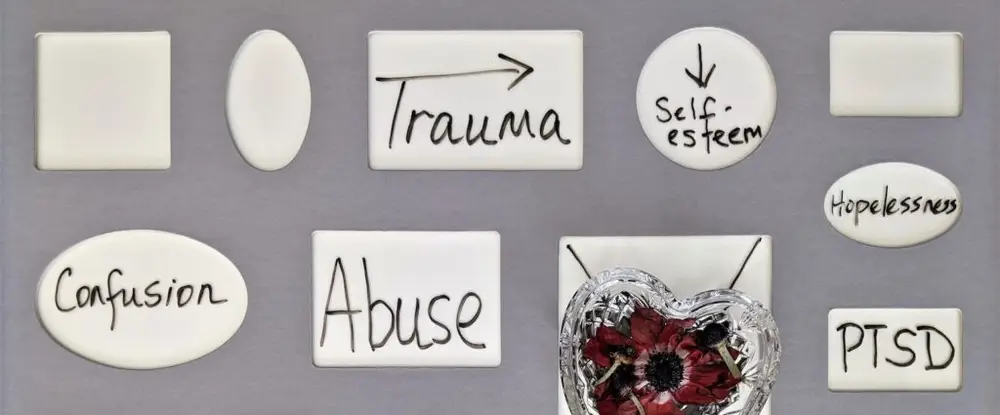
Almost everyone carries trauma in some form — a serious illness, an accident, abuse, chronic pain, betrayal, abandonment, a natural disaster. It shows up differently in each person, but it’s rarely dealt with on its own.
Brainspotting gives client and therapist a way to locate and target where that trauma lives, so the brain can process it safely and fully.
Working through trauma in a safe environment helps the brain separate itself from the original injury — reducing its grip both emotionally and physically. Many clients report relief not just from emotional pain, but from physical symptoms that had been tied to it all along.
A Brainspotting session doesn’t require you to relive or describe painful memories in detail. Your therapist helps you find a “brainspot” — a specific eye position linked to the issue you’re working through — and holds that focus while your brain does the processing on its own.
Most people describe it as calm, safe, and less demanding than talk therapy, even though real work is happening underneath. Sessions are typically integrated into your regular therapy appointments, so there’s nothing extra to schedule or prepare for.
Brainspotting works for nearly every client, and it’s especially effective for PTSD, sports-related trauma, addiction, depression, and anxiety. Athletes and performers also use it to work through mental blocks that are holding back their performance.
If you’re not sure whether Brainspotting is the right fit, that’s a conversation for your first call — not something you need to figure out on your own first.
Brainspotting isn’t just for people who’ve experienced a single, obvious trauma. Many of our clients come to us carrying pain they can’t fully explain — a tension that’s followed them for years, a reaction that feels bigger than the moment calls for, a wall that talk therapy alone hasn’t been able to get past.
We offer individual therapy, group IOP, and family sessions, depending on what fits your situation.
Also explore EMDR for healing trauma and our Intensive Outpatient Program for trauma.
You’ve been carrying it. Holding it together. Doing whatever it takes to function despite the weight of it.
But carrying it isn’t the same as healing.
Real support is available — and it works.
📞 Call or text: 801.901.0279 📅 Schedule a free assessment →
You don’t have to keep carrying this alone.
Lets face it, who likes to talk about their crap with other people?
If you’re like most clients, you’re used to being judged despite hearing so many people talk about non judgment and when you do open up, it seems like the more you share, the less likely you are to get compassion.
We’ve worked our butts off to create a clinic where the unfiltered, real you, can show up and heal, so dammit give therapy a chance!
We love the unfiltered real you, let’s heal together. – Utah Family Therapy Team