What Does a Real IOP Session Actually Feel Like?
They’ve heard “therapy” and they picture a couch, a clipboard, a stranger asking how their childhood was.
IOP isn’t that.
At Utah Family Therapy, an IOP session is a structured but human experience. There’s no lecture. No performance. No pressure to have it all figured out. Just a trained facilitator, a group of real people working through real things, and a process that actually moves you forward.
Here’s exactly what it’s like — from the moment you log on or walk in, to the moment you leave.
Table of Contents
The Space: Safe, Supportive, and Grounded
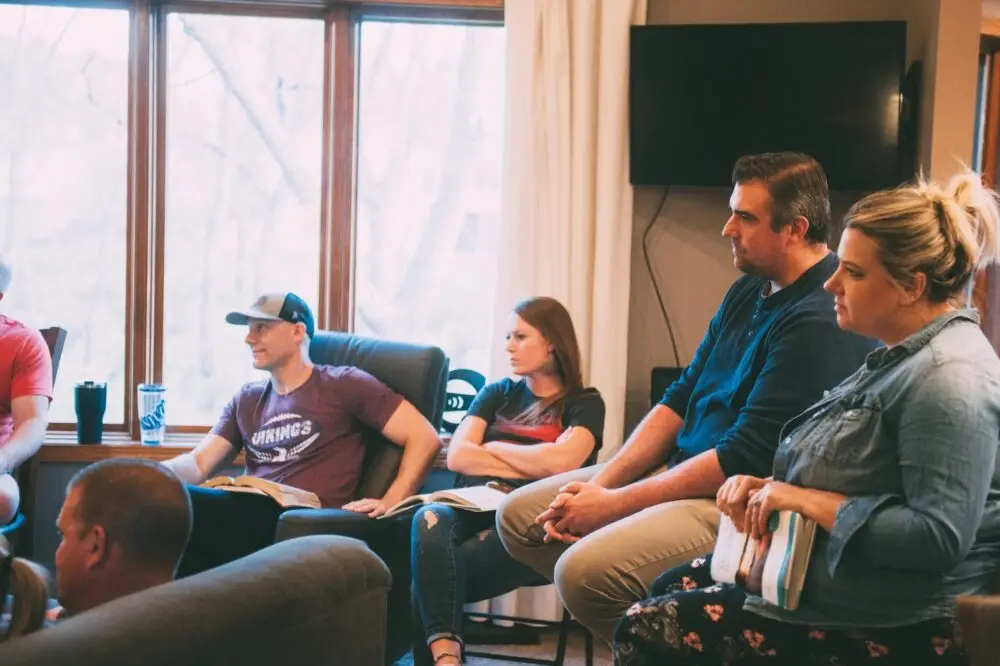
Whether you’re joining online or coming in person, the environment is intentionally calm.
There’s no harsh lighting, no clipboard intake questionnaire at the door, no clinical coldness.
Your facilitator opens the session, grounded, kind, and direct. They set the tone immediately: this is a safe place. What’s shared here stays here. No one is here to judge you.
You don’t have to say anything in your first session if you’re not ready. Plenty of people sit and listen for the first week. Just showing up is the first step — and it counts.
Over time, that presence becomes trust. And trust is where healing actually begins.
What Actually Happens — The First Ten Minutes
Sessions typically open with a group check-in.
People go around. Some share a lot. Some say “I’m here, that’s the best I’ve got.” Both are accepted.
That check-in does something important: it reminds everyone in the room that they’re not performing. They’re just being real. And when one person gets honest, it gives the next person permission to do the same.
That’s where the healing starts — not in a worksheet, not in a workbook, but in that moment when someone says the thing they haven’t said out loud yet, and nobody flinches.
The Connection: Real People, Real Healing
Each session has a rhythm — check-in, focused discussion or skill work, reflection, and close.
Topics rotate: anxiety, trauma, emotional regulation, relationships, communication, self-worth. But the discussion always follows where the group actually is that day — not a rigid script.
What makes it different is the honesty.
People share the real stuff. Not the polished version. Not the “I’m fine” version. The real version — and that’s exactly where growth begins.
Others nod. Relate. Support. Sometimes just listen.
That shared experience breaks something open in a person. You stop feeling like you’re the only one. You stop feeling broken. You realize you’re healing — and you’re not doing it alone.
“My anxiety just melts away when I come here.” — J.P.

The Work: Skills You Can Actually Use
IOP isn’t just talking about your problems. It’s building tools to respond to them differently.
Sessions incorporate:
- Mindfulness — learning to notice what’s happening inside without being controlled by it.
- Emotional regulation — understanding your triggers, your patterns, and how to interrupt them.
- Grounding techniques — skills that work in the moment, not just in a therapy room.
- Communication repair — for the relationships that anxiety, trauma, or addiction have strained.
- Trauma processing — gently working through what’s been frozen, with a trained therapist guiding every step.
You’ll be challenged. That’s part of it. Healing is uncomfortable before it gets better — but you’re guided through that discomfort, not left in it.
One layer. One skill. One honest conversation at a time.
The Group Dynamic: You're Not Starting Over Alone
One of the things that surprises people most about IOP is the group itself.
You walk in thinking you’ll be surrounded by strangers. Within a few sessions, something shifts. You start recognizing people. You start rooting for them.
Someone finally set a boundary with a family member they’ve been afraid of for years. Someone made it a full week without a panic attack. Someone showed up today even though every part of them said stay home.
The facilitator keeps the group accountable, grounded, and moving forward. But it’s the people in the room who remind you that change is real. That it’s happening. That it can happen for you too.
When You Leave
When you walk out, turn off the computer or close your laptop — you feel different than when you came in.
Calmer. A little lighter. Less alone.
There’s a quiet pride that follows a session — the kind that comes from doing something hard when you didn’t feel like it. From saying the true thing. From showing up one more time.
That feeling compounds. Week after week, it builds into something real: a life that starts to feel manageable again. Relationships that start to repair. A version of yourself you recognize.
That’s what we’re building toward, one session at a time.
"Out of all of the programs I've been in, you guys are the best, thank you."
Student
Common Questions Before Your First Session
No. You can listen for as long as you need to. We never force sharing — we create space for it. When you’re ready, you’ll know.
You might feel that way at first. Most people do. Give it two or three sessions — you’ll be surprised. The common thread isn’t background or story. It’s the willingness to show up and be honest. That connects people faster than you’d think.
Group members may change and you discover someone that you truly relate too.
Most sessions run 2–3 hours. Attendance is typically 3–5 days per week, depending on your treatment plan.
Ready to See for Yourself?
Whether you’re facing anxiety, trauma, depression, or just the weight of a life that’s gotten too heavy — you don’t have to keep doing this alone.
Because healing isn’t a leap. It’s a series of steps — walked together.